Updated 11 November 2026 from Wild Dog’s 10 November hotfix, v0.1.75.20266, first-month retrospective, and the earlier 6 November mini update, v0.1.74.19895, 5 November content update, v0.1.73.19851, and 30 October networking and staff update. These are developer-reported changes; our suggested routines are editorial advice.
Your next step
The 6 November mini update fixes existing cups blocking service when dishes or items are held. When a tray is served, a cup already at the seat joins the tray as the customer accepts the food. Check the matching order and the acceptance stage before treating the cup as an obstacle.

Held food and tray service have different named fixes
The patch repairs a collision issue when placing held dishes or items at a seat with an existing cup. It also specifies what happens during tray acceptance: the existing cup is added to the tray. Record which kind of handoff you attempted. A cup changing location at acceptance can be the documented behaviour rather than a reason to rebuild the counter.
Read acceptance before reading quality
First establish whether the intended customer accepted the matching food. Then read any complaint or rating in its own context. A dish that stays at a shelf, a tray that is not accepted and a customer who eats but dislikes an ingredient are different observations. The 10 November shelf/rack hotfix does not announce a new acceptable serving distance or remove the need for a matching order.
A minimal seat-side comparison
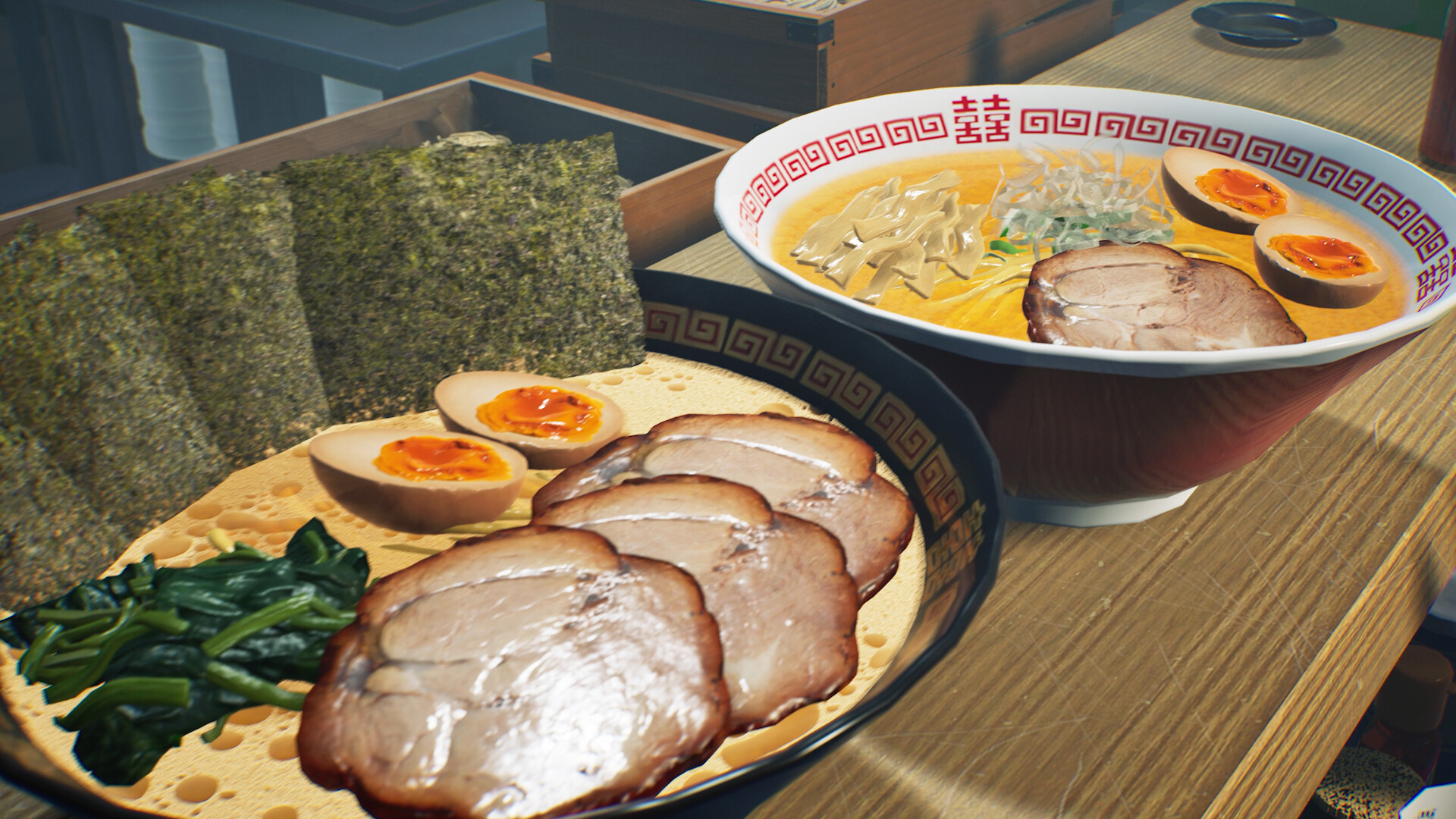
Keep the customer’s order, cup and food in the same view. Offer the matching food once using the current control, then note whether it was accepted and what happened to the cup. If another player sees a different state, retain both descriptions and the installed version. Do not claim every refusal is a cup bug merely because a glass is present.
Start with the customer and the order
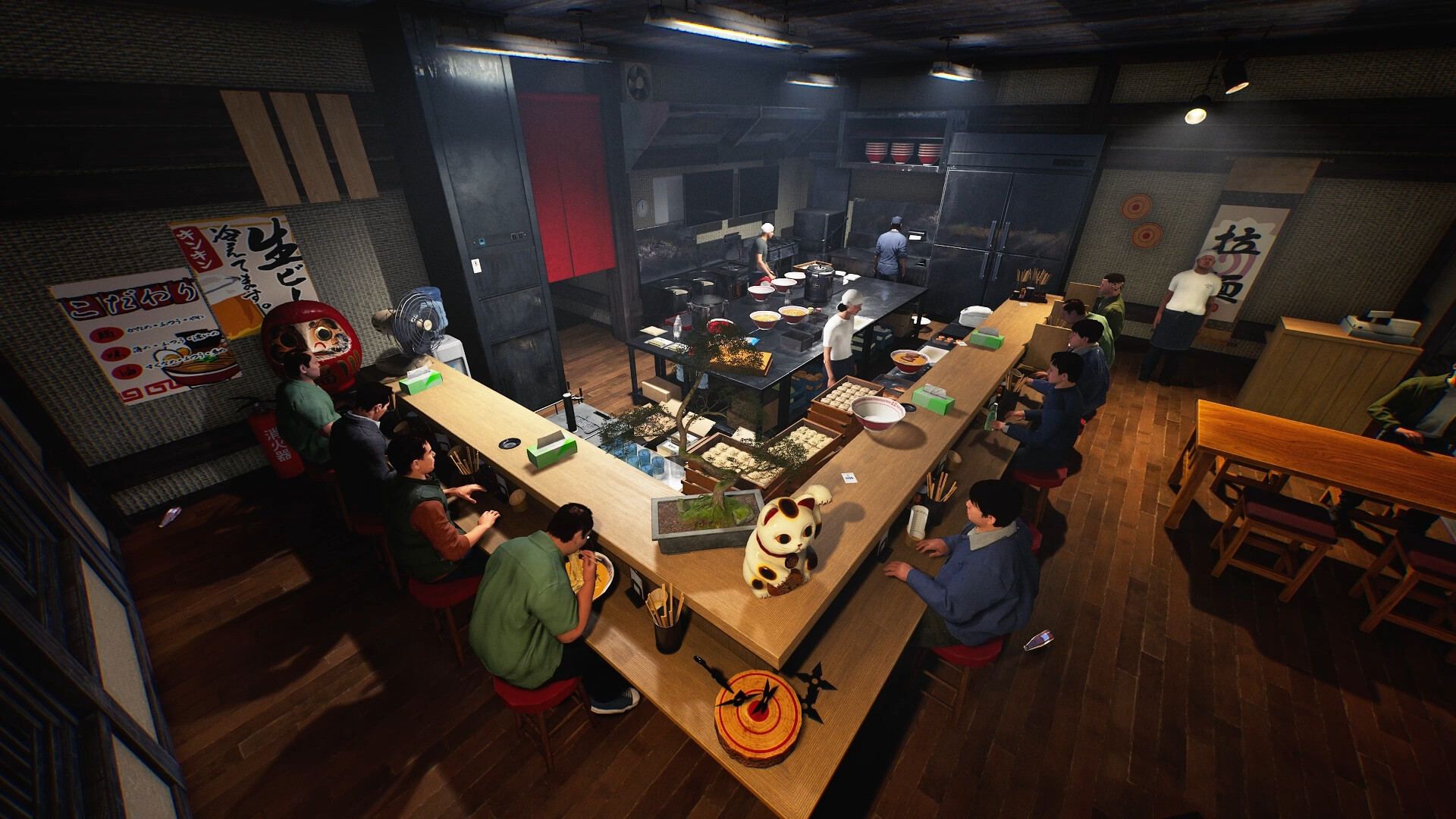
The new counter-seat rule concerns where food is placed relative to a seated customer. It does not publish a distance in centimetres or a guaranteed snap zone. Read the requested dish first and place it deliberately for the intended seat. If the customer does not start eating, keep the order and the food position in view together; a wide kitchen shot alone cannot show whether the correct dish was offered to that person.
Distinguish matching from an empty tray
The patch says customers can pick the dishes matching their order even when the tray includes additional food or tableware. That removes one earlier source of rejection, but it does not turn an unrelated dish into a correct one. A useful check is whether the expected food remains on the tray, is taken by the intended customer or is still waiting for a different order. Record that outcome before removing and rebuilding the entire set.
Keep a readable handoff in busy service
Even with more permissive matching, assigning one visible area to an intended order is easier for your team to understand. That is our organisation suggestion rather than a required tray layout. If you use the Serving Staff Workstation, follow its separate requirement to stage ramen and ordered sides. If the customer eats and then complains, move to the rating text: order acceptance, topping mismatch and cooking quality are different observations.
Your reference sheet
| Check | What to record | What it tells you |
|---|---|---|
| Existing cup | Held-dish delivery versus tray acceptance | Compare the two November cup interactions |
| Target | Customer seat and order | Identify the intended recipient |
| Placement | Food position near that seat | No exact distance is published |
| Tray | Matching and extra items | Extra items no longer prevent matching alone |
| Outcome | Eating or exact complaint | Separate acceptance from quality |
The sheet stays in the open page. Download saves a text copy on your device; it does not change your game or send us a report.
Before your next shift
Why did the cup move onto the tray?
The 6 November note says an existing seat cup is added to the tray when the customer accepts the food.
Must a tray contain only the ordered food?
The update allows customers to select matching dishes even when other food or tableware is present.
How close must food be?
The notes describe closer placement but do not specify a measured distance.
Source and scope
15 October patch v0.1.57.18549 ↗. Reviewed 11 November 2026. Mechanic descriptions come from Wild Dog’s released notes. Our worksheet is an editorial aid; no timed playtest or numerical benchmark is claimed.